A dimension is just an independent direction you can move in, or an independent number you need to locate something.
In everyday life, you need three numbers to say where you are:
Length
Width
Height
Time is usually counted as the fourth dimension in physics, because an event isn’t just “somewhere” but also happens at some moment.
How humans experience dimensions
We directly perceive 3 spatial dimensions: forward/back, left/right, up/down.
We sense time but not as a place we can move freely; we feel it flowing forward.
That’s why people often say “we live in 3D + time.”
What shapes look like in different numbers of dimensions:
0-D: A point (no size, just position).
1-D: A line (length only).
2-D: A square, circle, triangle, and shapes with length and width but no depth.
3-D: Cube, sphere, pyramid, and what we’re used to: length, width, and depth.
4-D: You can imagine a “hypercube” (also called a tesseract). You can’t see it directly, but you can draw its shadow just like a cube’s shadow is a square.
n-D: In math, you can go on adding directions indefinitely. The shapes become higher-dimensional analogues (hyperspheres, hypercubes, etc.).
Fact:
A 3-D object casts a 2-D shadow.
A 4-D object would cast a 3-D “shadow” in our space.
This is how physicists often picture extra dimensions.
This is how a square would look in higher dimensions:
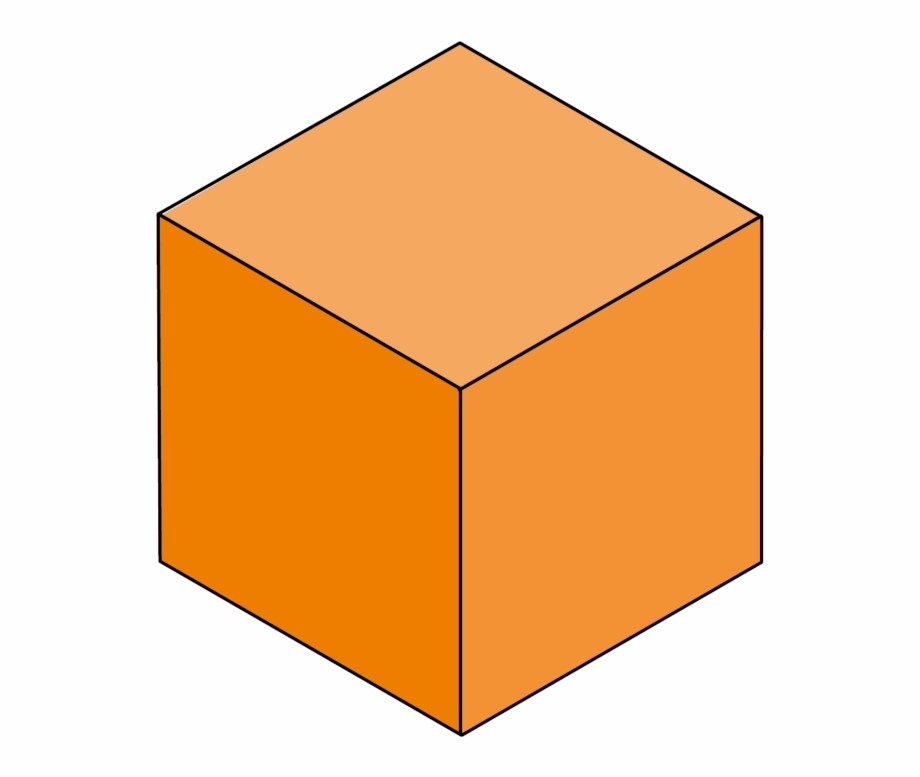
This is a cube (thrid dimension).
A Tesseract (fourth dimension).
A Penteract (fifth dimension)
Other dimensions are too hard to show and understand. So we will go through the names:
Hexeract (6-D)
Hepteract (7-D)
Octeract (8-D)
Enneract (9-D)
Dekeract (10-D)
Now that we have gone through how an easy shape would look in different dimensions and what dimensions are. We can move to our next topic.
What are the hidden dimensions?
To learn about this topic, please click the link below to the next page.